

Why use a VPN
At least 45% of companies have dealt with security breaches linked to remote work situations. Additionally, working remotely faces a significantly higher risk of falling victim to phishing attacks compared to office-based workers. Remote workers are at least three times more likely to encounter phishing attacks and 31% of organizations have faced a security incident due to an unsecured home WiFi network. Even more concerning is that 51% of workers do not use a VPN while working remotely.
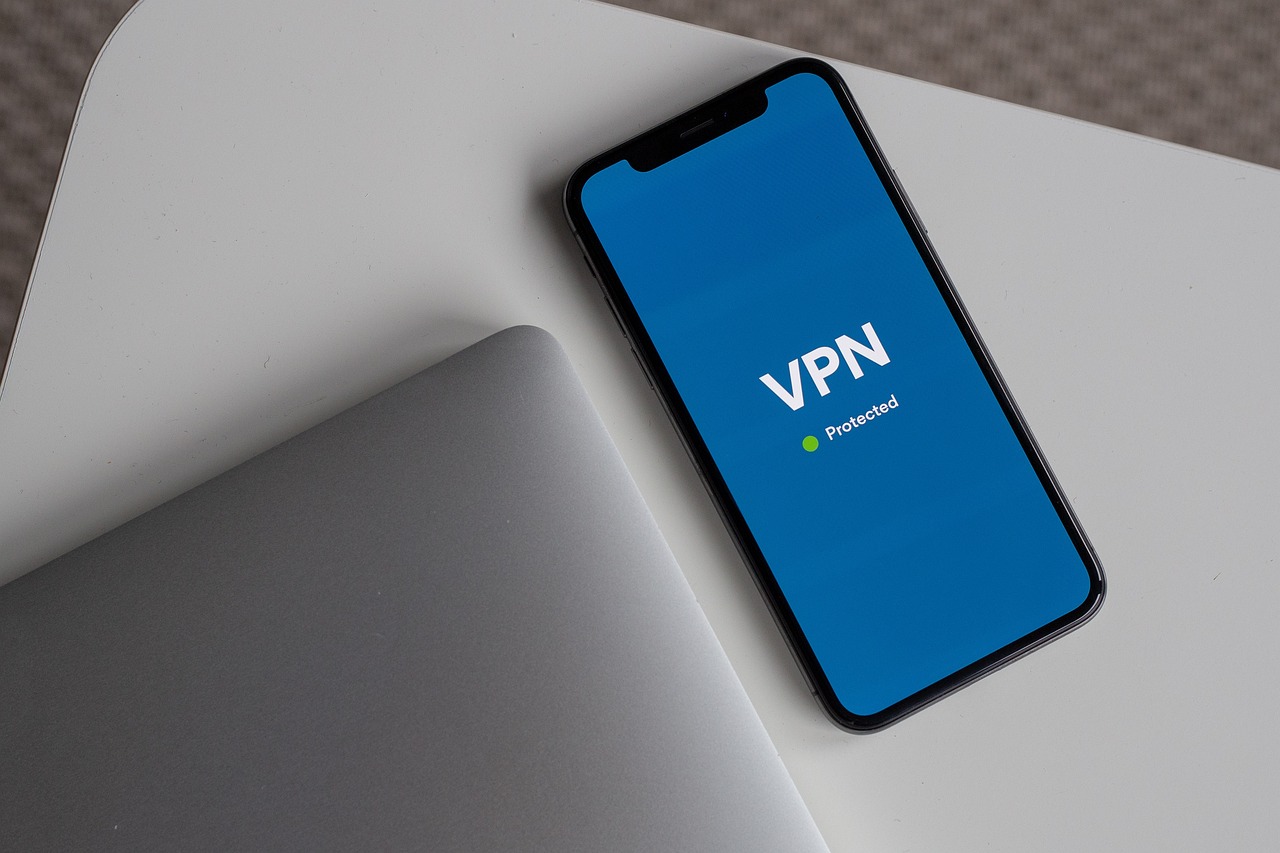
VPNs work by routing your internet traffic through the VPN provider’s remote servers. Your data is encrypted before leaving your device before traveling through a secure tunnel to the VPN server. The data is secured as it leaves your device and passes through a protected tunnel to reach the VPN server. VPNs have different features that vary between VPN services, each providing distinct benefits.
The unique needs of remote marketers and PR professionals
Remote marketers and PR professionals encounter unique challenges that set them apart from other remote workers, highlighting the importance of robust security measures like using the best VPN solutions. According to Techopedia’s Aleksandar Stevanovic, using a VPN encrypts your traffic and masks your IP address, essentially hiding your online activities from unauthorized access. For marketers and PR professionals, this provides an additional layer of protection considering the sensitive nature of the data you work with daily.
Marketers and PR pros often handle information like upcoming product specifications, financial forecasts, and tracking KPIs for various strategies. A breach in security could lead to disastrous consequences, potentially resulting in significant financial losses and negatively impacting client trust for a long time.
Additionally, access to restricted content plays a vital role in tailoring campaigns to specific regions and gaining insights into local markets. Marketers often analyze and view websites, campaigns, and social media content in countries where bypassing geographic limitations is required.
Working with teams from across the globe is more common than ever before. This requires having ways to communicate and access shared resources from any location worldwide without being impeded by local internet limitations or censorship.
These unique requirements highlight the significance of security measures such as VPN services, for remote marketers and PR experts to carry out their duties efficiently and securely.
Security risks without a VPN
The sobering reality is that various vulnerabilities exist in remote work environments. Cyber attacks on remote workers have increased by 400% and they are 4 times more likely to experience a devastating data breach.
Unsecured network connections
One of the biggest risks is using unsecured network connections:
- Public Wi-Fi networks are often unsecured, making it easy for hackers to intercept your data. Man-in-the-middle attacks, for example, are when hackers intercept data transmitted between two exchanging parties, especially if remote workers are using unsecured network connections.
- Without a VPN, sensitive company information transmitted over these networks is vulnerable to theft.
Data interception
Remote workers are at higher risk of having their data intercepted:
- Unencrypted data transmissions can be easily captured by cyber attackers.
- Sensitive documents shared over email or file-sharing platforms without encryption are susceptible to interception
Expanded attack surface
Working remotely expands the potential attack surface for threat actors:
- Every home network and personal device used for work becomes a new point of vulnerability.
- Smart home devices with security vulnerabilities can be exploited to gain access to the network where work is being conducted.
Lack of visibility and control
Organizations face challenges in monitoring and controlling remote activities:
- It's difficult for IT departments to detect unauthorized software downloads or visits to insecure websites.
- Without proper monitoring tools, potentially risky employee behavior may go unnoticed.
Data privacy issues
Handling sensitive data outside the secure office environment poses privacy risks:
- Remote workers may unknowingly expose sensitive information when working on public networks.
- Personal devices used for work may not have adequate security measures in place, increasing the risk of data breaches.
Compliance challenges
Remote work can make it difficult to maintain regulatory compliance:
- Strict regulatory requirements may be harder to meet when employees access sensitive data from personal devices.
- Ensuring GDPR compliance becomes more challenging with remote workers.
By not using a VPN, remote workers miss out on a crucial layer of security that encrypts data in transit, masks IP addresses, and provides secure access to company resources. This leaves them more vulnerable to various cyber threats and increases the risk of data breaches for their organizations.
Key features to consider
Security and privacy
Look for a VPN that provides strong encryption such as AES-256, providing the highest level of security. Opt for a service with a Kill switch that prevents data leaks if the VPN connection unexpectedly drops. Most VPN services should have a no-logs policy, which means they do not store your activities, enhancing data privacy.
Server network
The number and location of servers can differ significantly between providers. A larger network of servers with many countries provides more options for marketers and PR professionals who need access to geo-restricted content. This enables research into foreign markets for strategies regarding campaigns, conducting competitive analysis, and managing social media accounts.
Split tunneling
This feature allows you to choose which apps use the VPN connection and which dont. This is especially beneficial for remote workers who need access to both local and company resources simultaneously. Not all VPNs offer this capability.
Connection speed and performance
While VPNs can slow down internet speeds because of encryption and decryption of data, VPN services like ExpressVPN and Nord VPN have fast servers and sufficient bandwidth that can reduce the impact of a slow connection. Consider a VPN service offering WireGuard protocols which is the fastest connection speed compared to older protocols. Sluggish speeds can be a death sentence for the nature of marketers’ and PR professionals' work.
Device compatibility
The VPN you choose should support multiple systems such as iOS, macOS, Android, Windows, and Linux. It should also allow you to connect multiple devices. For example, most remote workers use their mobile devices for work-related tasks such as answering emails or communicating on apps like Slack. Using an unsecured WiFi connection could result in malware and phishing attacks targeting mobile devices or potential data interception on cellular networks.
Benefits of using a VPN
- Enhanced security and privacy: VPNs hide your IP address and location. It secures your online data flow to prevent hackers and unauthorized individuals from accessing it and ensures the security of your information while using WiFi networks.
- Access to geo-restricted content: With a VPN, you can get around location-based limitations on websites and streaming platforms. It provides the opportunity to view content that might be restricted by indifferent countries.
- Protection against data throttling and bandwidth limitations: Prevents ISPs from slowing down your internet speed based on your online activities. Also helps avoid data caps imposed by ISPs.
- Secure remote access: Grants secure entry to networks and assets for employees working remotely. It also ensures the security of company information when accessed remotely.
Conclusion
VPNs allow remote marketers and PR professionals to safely connect to internal networks, providing secure access to company databases and cloud systems. By masking IP addresses, VPNs prevent tracking by competitors, hackers, and third parties. This anonymity allows marketing and PR professionals to effectively work from any location.


