


Your company has values. They're probably on your website or painted on office walls. But when something happens in the world that conflicts with those values, what do you actually do? That gap between what you say and what you demonstrate might be the most expensive blind spot in business today. Understanding what is brand activism starts with seeing that gap, and knowing your response will build your business more than any campaign ever could.
The old playbook was simple: make products, sell products, maximize shareholder value. That no longer works on its own. Climate issues hit supply chains, social tensions affect your team, and even the role of business is under pressure. The problems companies face aren't separate from societal problems. They're the same problems. And that changes everything about how you operate.
Here's what matters: you're already taking a position. Every choice about who to hire, what to say publicly, which issues to address tells a story. Silence isn't neutrality. It's a statement. Your stakeholders will figure out what you stand for regardless. You can build that narrative through genuine action, or let it get written by your absence when people need to hear from you.
That's why most conversations about brand activism that focus on campaigns miss the point. Success isn't about what worked or backfired in a single moment.
Look at examples like Patagonia. Their success didn't only happen despite their activism. It happened because of how they operate. When issues surface, their response feels authentic because it's built on decisions made years earlier. You can't create that foundation in a week when a crisis hits.
What is Brand Activism?

Brand activism is when a company publicly supports or opposes a social, political, or environmental issue based on its values. It goes beyond corporate social responsibility by taking controversial stances and using the brand's influence to drive change in how people think or act on important issues.
Brand activism lives in your operations first, then your messaging. You're not redesigning production or fixing supply chains. You're taking public positions on divisive topics and organizing people around something bigger than your products or services. When activism connects to your core operations, it's authentic. When it's unrelated to what you do, it's performative. Movements require action, not only announcements.
Understanding how activism differs from CSR matters because the approach and risks are completely different. Corporate Social Responsibility focuses on doing no harm through operational practices and addresses non-controversial issues. Brand activism takes controversial public positions that carry higher reputational risk and demand sustained commitment over years. The approach also varies dramatically by brand type: What works for a mass brand won't work the same way for a niche luxury brand. This isn't one size fits all.
A famous example is Nike's "Dream Crazy" campaign featuring Colin Kaepernick. The campaign stood with racial justice under the tagline "Believe in something. Even if it means sacrificing everything." It generated both backlash and sales increases showing that authentic, value-aligned campaigns can boost brand loyalty and financial performance.

Authenticity comes from consistent action over years, not quick reactions to trending topics. When you take a stand, pushback is guaranteed. The urge to explain or soften your message is strong but backing down only creates more doubt. Let your actions do the talking and showing up the same way again is what builds trust. That’s how activism becomes part of who you are, not just a campaign.
Why Should Companies Care About Brand Activism?
Companies should care about brand activism because consumers, employees, and investors now evaluate them on values as much as products. In markets where quality and price are increasingly commoditized, the brands that stand for something clear build advantages that competitors can't easily copy. Brand activism affects employee retention, customer loyalty, investor confidence, and competitive positioning in ways that product features alone cannot deliver.
The importance of brand activism starts with where trust sits today. Le 2025 Edelman Trust Barometer shows trust in business leaders has risen to 68%, significantly higher than government leaders. When traditional institutions fail to address climate, inequality, or social issues, people expect businesses to fill it. You're already being evaluated on what you stand for, whether you've decided to communicate it or not. Your silence gets interpreted just as loudly as your statements.
The brands building real advantage are the ones treating activism as a core business strategy, not a marketing add-on. When employees see their company taking meaningful stands, retention improves. Customers actively choose brands that align with their values. These advantages build on themselves, creating a flywheel that traditional product differentiation struggles to match.
Generational shifts do matter, but reducing this to "Gen Z wants companies to care" oversimplifies what's actually happening. Companies trying to stay neutral often find it's an operational risk, not a shield. When issues affect your workforce, supply chain, or customers, they become business problems whether you acknowledge them or not. Strong PR means building trust before crises hit. Organizations that handle backlash well aren't scrambling for midnight statements, they've demonstrated consistent values over time, earning credibility through actions, not performative damage control.
What Are Successful Brand Activism Examples?
Successful brand activism examples include Orange France's "Women's Football" campaign, Ben & Jerry's and Tony's Chocolonely. These campaigns worked because they extended years of established work, connected the brand's actual capabilities to social issues, and demonstrated commitment through action instead of statements.
In these cases, the activism doesn't feel added on. It feels like the natural extension of what these brands were already doing. That's the difference between activism that builds equity and activism that burns it.
Here's what separated these successes from performative gestures and why audiences believed them.
1. Orange France: “Women’s Football” Gender Bias Campaign (2023)
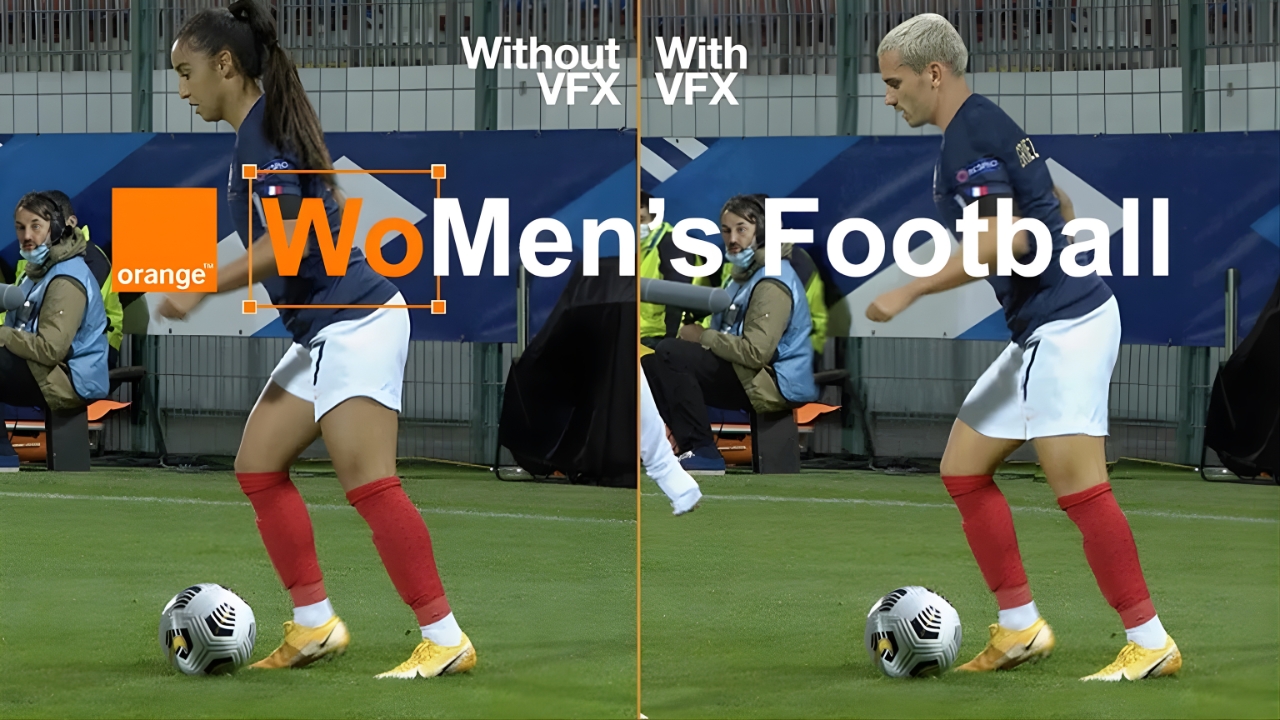
Before the 2023 Women’s World Cup, Orange France saw an opportunity to challenge bias in football. They released a video that looked like male stars scoring goals, until it revealed the plays were by female players, with men's faces added using deepfake tech. The campaign generated over 2 billion impressions worldwide, 200 million organic views, and media coverage across 91 countries.
Why did this work when similar campaigns failed? Orange had sponsored both teams for years. Their credibility on gender equity in sport was already established. The campaign didn't lecture audiences about bias. It let people experience their own assumptions firsthand, then challenged them to question why they made those judgments. That approach created conversation instead of defensiveness.
Orange is a telecommunications company, and using deepfake technology wasn't only a gimmick. It connected their technical expertise directly to the social issue, showing what their technology could reveal about human behavior. That alignment between capability and cause is what separates activism that builds brand equity from activism that feels borrowed. For Relations publiques pour les entreprises technologiques, this demonstrates how technical capabilities can grow social messages when the connection feels genuine.
2. Ben & Jerry's: Four Decades of Values-Led Activism
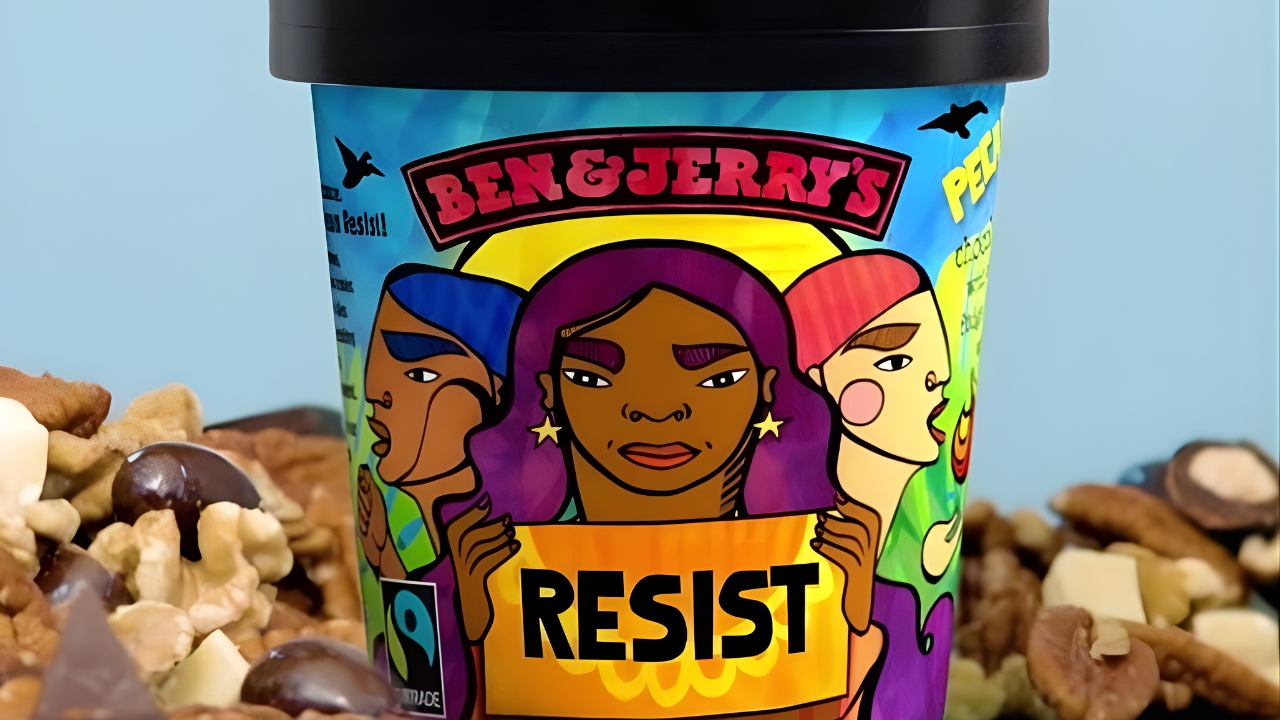
Ben & Jerry's builds social justice right into how it operates, making it different from other ice cream companies. Founded in 1978, they adopted a "triple mission" in 1988: make great ice cream, earn money, and create social change. Co-founders Ben Cohen and Jerry Greenfield got arrested for causes like campaign finance reform, proving they were real activists first. When Unilever bought them in 2000, Ben & Jerry's set up an independent board with legal power to protect their social missions.
The activism drives real results. After their "Dismantle White Supremacy" statement in June 2020, their reputation scores jumped and customer numbers doubled. Consumers who know their social mission are 30% more likely to buy their ice cream. At the January 2025 People's March, one TikTok video got 2 million likes and added 4 million followers. Activism flavors like "Pecan Resist" sold out immediately. The brand makes $1.1 billion annually, proving values work with profits.
Ben & Jerry's activism works because it's genuine. Co-founder Jerry Greenfield said other companies can copy their ice cream, but not their activist mission. "It has to be who the people are." They have dedicated activism teams, partner with groups like the ACLU, and give 7.5% of profits to their foundation. Decades of consistency plus real actions like using Fairtrade ingredients since 2006 prove they're authentic, not performative.
3. Tony's Chocolonely: Mission-Driven Disruption in Confectionery
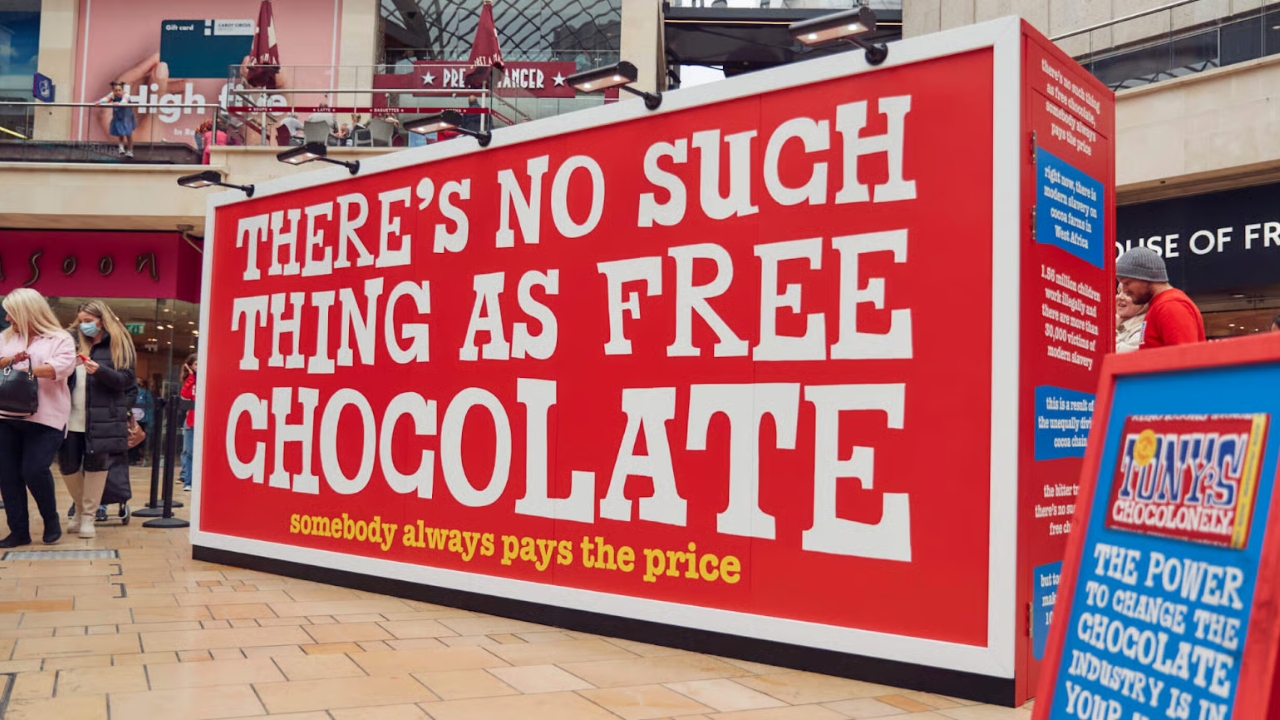
Tony's Chocolonely started from protest, not profit. In 2003, Dutch journalist Teun van de Keuken discovered West African cocoa farms still used child slave labor. When his story got little response, he ate a chocolate bar on TV and tried to turn himself in for "consuming a product made with slave labor." Police refused and nothing changed, so he founded Tony's Chocolonely in 2005 to make "100% slave free the norm in chocolate." This origin gives authenticity you can't buy.
Tony's proves ethics can be profitable. They hit €200 million in revenue in 2023-2024, growing 33% yearly. U.S. sales jumped 86% to over $50 million. They hold 20% of the Netherlands market and rank fourth in UK chocolate. Child labor at their farms dropped to 3.9% versus the industry's 46.7%. Their Open Chain initiative includes Ben & Jerry's, ALDI, and MrBeast's Feastables, reaching 17,000 farmers with fair pricing.
Tony's turns every product into activism. Their chocolate bars have unequal pieces to show the unfair profit distribution in cocoa. The product itself makes a statement. The controversy increases their message: if a small company can make ethical versions, why can't the giants? This direct confrontation, plus radical transparency about child labor in their supply chain, resonates with Gen Z and millennials.
Good Intentions, Bad Press: The most famous Brand Activism Nightmares
Not every brand activism effort ends in loyalty and success. Some turn into warning stories about what not to do. The same mistakes keep happening such as taking a stand without internal alignment, facing backlash with no plan, then retreating in panic. They happen when companies treat activism like a short campaign instead of a long-term commitment. The examples below show how that approach destroys credibility and trust.
1. Microsoft: Israel–Gaza Protest Firings (2024–2025)

Microsoft's handling of internal protests over its work with the Israeli military turned into a reputation crisis. Employees under the "No Azure for Apartheid" movement questioned the company's contracts connected to the Gaza conflict. During Microsoft's 50th anniversary event, protesters spoke up and were fired immediately. More dismissals followed after peaceful sit-ins.
A few years earlier, the company had listened to worker concerns and ended ties with an Israeli surveillance firm. The response contradicted Microsoft's recent history. This time, Microsoft labeled the protests a "safety issue" and shut them down. For a company positioning itself around ethical AI and workplace inclusion, the gap was obvious. Critics called it hypocrisy. Employees felt betrayed. The external damage followed naturally.
Microsoft treated employee activism as a threat instead of recognizing it as a signal. When your workers care enough about your values to protest, that's not disloyalty. It's proof they believe the stated mission matters. Suppressing that conversation doesn't make the issue disappear. It only tells everyone watching that your values only count when they're convenient. Microsoft chose control over dialogue and paid for it in credibility.
2. Apple: Employee Activism Crackdown & #AppleToo (2021–2024)

Between 2021 and 2024, Apple faced internal pushback over pay equity and workplace treatment. Software engineer Cher Scarlett launched #AppleToo to expose discrimination and collected hundreds of employee accounts. Apple blocked internal wage surveys, isolated Scarlett from projects, and eventually fired both her and fellow organizer Janneke Parrish.
The consequences kept coming. Scarlett filed a labor complaint. In 2024, the NLRB formally accused Apple of violating labor laws. The New York Times reported workers felt scared to speak openly, contradicting Apple's carefully built image as a progressive employer. For a company that publicly supports social causes, the internal crackdown revealed a gap that outside observers couldn't ignore.
It failed because Apple’s response was reactive, not reflective. Shutting down employee voices instead of addressing concerns made the company look rigid and out of touch. The lesson is if you claim to value ethics and inclusion, it has to start within.True activism means applying the same accountability to internal ethics as to external causes because a brand that punishes transparency eventually loses authenticity.
3. Target: Pride Backlash & $25 Billion Market Cap Loss (2023–2024)
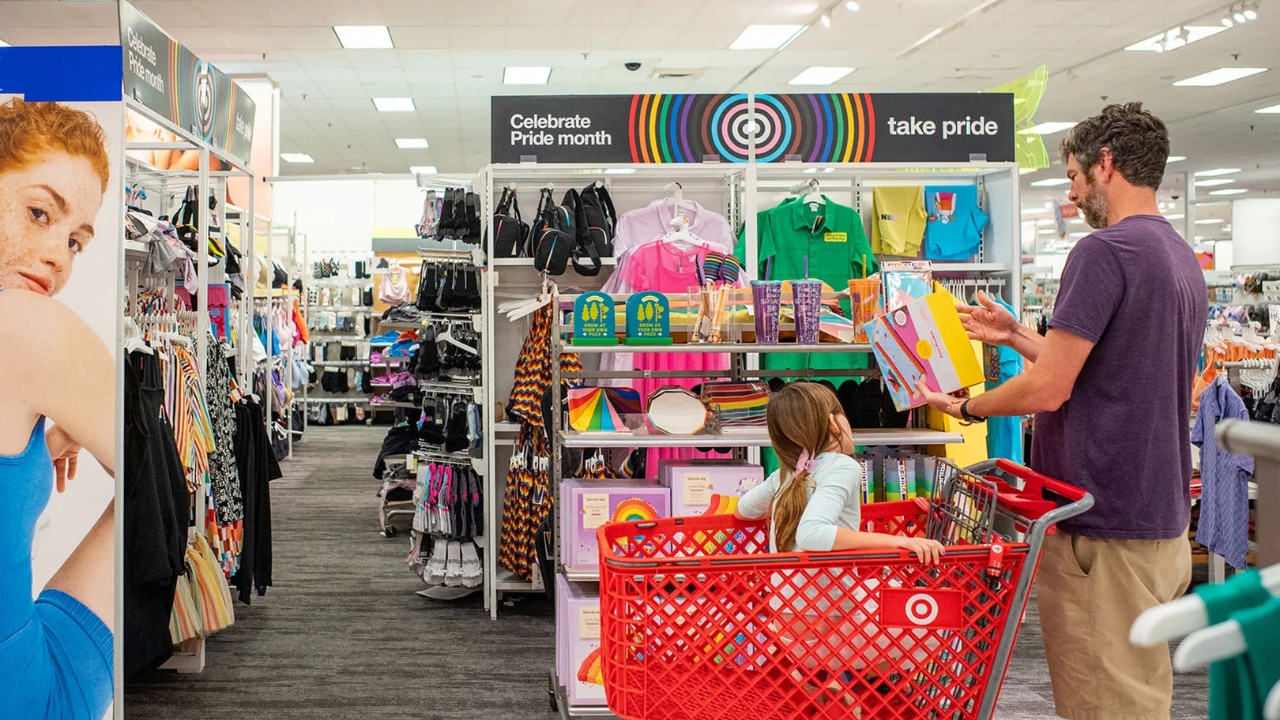
In May 2023, Target launched its annual Pride collection featuring rainbow apparel, LGBTQ+ books, and "tuck-friendly" swimwear. Within days, conservative groups organized store protests and filmed confrontations with staff. Target responded by pulling Pride items from Southern stores, moving displays to back corners, and removing products online. The reversal happened fast and publicly.
The whipsaw damaged Target from both directions. LGBTQ+ advocates accused the company of caving to intimidation. Conservatives continued boycotting anyway. Target lost almost $10 billion in market value, saw its first quarterly sales drop in years, and faced a shareholder lawsuit over crisis mismanagement. By 2024, Target quietly scaled back its Pride assortment after a decade of visible LGBTQ+ support.
Target spent years building credibility with the LGBTQ+ community, then walked it back under pressure. When you retract your position publicly, you lose support from everyone. What turned this into a textbook case among PR nightmares wasn't the stand itself but abandoning it without preparing for backlash. Companies that handle this well establish their position early and hold steady when criticism arrives.
What Are the Risks and Disadvantages of a Brand Activism?
The risks of brand activism are consumer backlash, employee fracture, financial loss, and reputational damage that can take years to repair. What actually kills brands is not the backlash itself, but taking positions they can't sustain. The companies that fail treat activism like a campaign with an end date. They announce a stance without crisis planning, pull back under pressure, or discover their employees fundamentally disagree. By then, the damage is done. The question isn't whether activism carries risk. It's whether you've built the foundation to handle what comes next.
Short-Term Thinking vs. Long-Term Commitment
The biggest mistake in brand activism is treating it like a marketing campaign instead of a business commitment. Building credibility takes years, not quarters. Chasing quick wins without that foundation doesn't build trust. It destroys it with the exact people you're trying to reach. This happens because companies want the benefits of activism without the structural changes it requires.
The failure pattern is predictable. Brands post support when an issue trends, disappear when attention fades, then show up again the next time it's in the news. Getting called out for that cycle is worse than never participating because it proves the commitment was never real. Once you're labeled performative, that reputation sticks. The internet doesn't forget, and neither do stakeholders who believed you the first time.
The issue here isn't the activism itself but the misalignment between what companies say and what they're actually willing to commit resources toward over time. Political systems move slower than individuals, employees, and companies, which is why brands are being asked to step in where the government creates vacuums on climate, inequality, or social issues. That's a long-term responsibility, not a quarterly initiative. Before taking any public stand, ask:
- Can we commit for a minimum of five years?
- Can we allocate budget across multiple fiscal years?
- Will our board support this if revenue drops temporarily?
- Do we have internal alignment from operations to communications?
If any answer is no or maybe, don't announce yet. The brands succeeding here embedded purpose into operations early enough that their stance feels genuine rather than reactive. They treat activism like investing in their own people and capabilities, not decorating their marketing. You can walk away from a campaign when the news cycle moves on. You can't walk away from who you actually are.
Crisis Unpreparedness and Backlash Management
The worst time to prepare for backlash is when it's already happening. A social issue trends, employees demand action, competitors speak out, and leadership scrambles to post something vague within hours. These preparation gaps carry the highest reputational cost because the public always thinks "you should have known better." The problem is companies treating employee and stakeholder concerns as PR problems instead of business problems that need structural solutions.
Without groundwork, companies get caught with:
- No crisis plan for predictable backlash
- No media training for spokespeople
- No internal alignment on whether to defend or retreat
- No prepared statements for different scenarios
Here's what matters when backlash hits: defending your core position is not the same as responding to every criticism. Backing down from your stated values destroys credibility with everyone while supporters feel betrayed, opponents sense weakness and push harder. But drowning in defensive explanations for every angry tweet makes you look reactive and unsure.
The most effective response is often the briefest one. Acknowledge that you've heard the concerns, reaffirm why you took this position, and return to your work. Don't litigate every point of disagreement in real time. When you've genuinely made a mistake or misjudged something, own it quickly and clearly. When you haven't, restate your position once and let your continued actions speak for you.
Employee Dissent and Leadership Credibility
One of the most dangerous risks is internal fracture. When you announce a position on a divisive issue, you're not just messaging externally. You're making a declaration about company values that every employee must know personally and professionally. Some will support it. Others will quietly or openly disagree. Your culture can split along ideological lines before you realize what's happening.
Internal dissent kills productivity, accelerates turnover, creates legal exposure, and leaks to the press. When employees speak up internally about concerns and get shut down, that's when activism becomes an employee relations crisis. The mistake is treating employee activism as a threat instead of recognizing it as a signal. That feedback reveals whether their stance will hold or fracture their workforce.
Before any announcement, run employee surveys with clear thresholds: over 70% support means proceed, 40-70% means build alignment first, below 40% means stop. Host town halls where concerns surface early. Let employee resource groups create your position to catch blind spots leadership will miss. When internal and external messaging diverge, it proves activism is performance, not culture.
Authenticity Risks and Consumer Skepticism
Consumer skepticism around brand activism runs deep because they've been burned repeatedly. Rainbow logos during Pride without LGBTQ+ protections at work. Black squares without Black people in leadership. Climate pledges while lobbying against regulation. Each contradiction makes every future activist claim harder to believe. You're contributing to a trust problem that affects the entire business.
Woke-washing gets spotted immediately. Using activism to drive product sales destroys authenticity. Making statements without operational changes proves you're performing. Companies carry reputations, and consumers want to know what kind of company this is and what it cares about. The strongest defense isn't better messaging but years of documented work that predates your announcement.
Real activism shows in what you’ve already done such as donations, leadership diversity, supplier choices, and long-running programs. If you keep doubling down through consistent action over time, you build a reputation as truly invested. When your actions match what you do best and the cause you support, it feels natural, not forced. That’s when activism stops being risky and starts becoming your brand’s advantage.
Customer Backlash and Global Misalignment
Taking a stand will cost you some customers. The question is whether you lose fewer than you gain who share your values. Controversial issues divide audiences intentionally. You're choosing sides, which means boycotts, partner exits, and market rejection. The lack of response by some companies has been very calculated. They care more about certain stakeholders than others, and the choices they make illustrate that clearly.
For mass brands serving broad demographics, this gets complicated differently than for niche players. Financial exposure shows across your business:
- Partners who view controversy as liability
- Investors who avoid political positions
- Markets that ban or boycott based on your stance
- Sales drops that might be temporary or permanent
Global operations multiply complexity. You can't hold different values in each market without losing credibility everywhere. But applying one stance globally guarantees conflict somewhere. The brands handling this well match their activism to where their business strategy already points. If you're building toward certain demographics or regions anyway, activism that resonates there accelerates that direction rather than fighting it.
ROI Challenges and Measurement Difficulties
Brand activism can't be measured like regular marketing. When leaders expect quick numbers like sales lifts, they miss the point. Pressure for short-term results kills initiatives before trust forms. The biggest issue facing communications professionals for the next five years is building and maintaining trust, and purpose gives brands a focus to deliver this.
The meaningful metrics look different:
- Journalists seeking your perspective
- Customers defending your position publicly
- New partnerships forming because of your values
- Employee retention and recruitment improving
- Brand mentions beyond your products
These signs show your reputation is growing even if revenue takes time to follow. Purpose-driven brands grow about twice as fast as others, but that growth builds slowly. Activism pays off through brand equity, customer loyalty, talent quality, and crisis resilience. Set realistic timelines upfront: awareness in three to six months, perception change in a year, measurable business impact in two to three years.
Get board commitment to long-term measurement before any public announcement. If they demand quarterly proof, don't start. You'll end up abandoning the effort exactly when credibility is taking hold, which damages your reputation more than never beginning. The brands succeeding here treat activism like R&D investment with delayed returns, not like campaign spend with immediate conversion.
Timing Risks and Credibility Building
Taking the first public stand puts you under full spotlight with no cover. Competitors watch what happens. If it goes wrong, you become a cautionary tale. Established brands absorb this risk because they have reputation buffers and loyal customers who give them the benefit of the doubt. Newcomers don't have that cushion.
The double standard is real. Big brands get praised for courage even when they stumble. Startups face "Who are they to speak on this?" and "This feels like a publicity stunt." There's no grace period for mistakes. Brands without established credibility on an issue get punished harder by audiences who know the topic well. Consumers most knowledgeable about the issue punish emergent brands to a much higher degree.
So how to reduce timing risk:
- Spend 3-5 years on quiet action: programs, donations, partnerships
- When you go public, point to that history as proof
- Let established brands move first, learn from their response, then take stronger position
- If you go first, make sure CEO is personally connected to the issue and leading it
Going public too early without proof, credibility, or strong leadership support can damage your brand before it gains traction. The early movers who succeed usually have years of quiet work to back them up or leaders personally tied to the cause. Real commitment takes time to show. Staying consistent, clear, and patient while reinforcing your message is what builds lasting trust.
How Do You Build a Brand Activism Campaign?
Building a brand activism campaign requires a systematic approach that prioritizes internal alignment before external communication. The process begins with an internal audit of company values, followed by stakeholder analysis, strategic issue selection, action planning, and ongoing measurement. Successful campaigns demand cross-functional collaboration, CEO commitment, and the courage to maintain your position through both support and backlash.
1. Internal Audit
Before taking any public stand, audit whether your company actually operates according to the values you plan to promote. This isn't about perfection. It's finding gaps before your critics do. Start by asking hard questions: Can we commit to this issue for five years minimum? Does our leadership team reflect the values we're claiming? Map every area where contradictions might surface: past statements, current practices, partner relationships, lobbying activity. These will get exposed if they exist.
Brand activism isn't a CMO decision. No marketing officer should move a brand into activism alone. This is a corporate-level commitment that affects your entire reputation and requires CEO and board alignment from the start. If your board won't support potential revenue drops or your operations contradict your message, you're not ready to speak publicly. Without that foundation, you're setting up your team to fail when the first wave of criticism arrives.
The credibility you build now determines whether audiences believe you later. You can't advocate gender equity with all-male leadership or climate action while funding fossil fuel lobbies. Document that work. It becomes your proof when someone questions whether your commitment is real or recent. Real activism requires executive commitment and cross-departmental alignment before any external announcement.
2. Stakeholder Analysis
Employees and customers keep your brand running, but they're not your only stakeholders. Partners, investors, suppliers, retailers, and media all react to your activism. Without mapping their positions upfront, you're operating blind. The goal isn't getting everyone to agree. It's knowing who will support you, who will oppose you, and whether you can survive the opposition.
Your internal team becomes your most credible voice during controversy, but only if they believe what you're saying. They need to help build the position, not just execute it. Ask direct questions:
- "Can you name our core values without looking them up?"
- "Does our external messaging match what you experience internally?"
- "How important is [specific issue] to you personally?"
- "Would you defend this stance to family members who disagree?"
Apply thresholds to the results. Over 70% support means proceed. Between 40-70% means delay six to twelve months while building alignment. Under 40% means stop and address fundamental gaps first. For customers, use social listening to understand what they already engage with, not what you hope they care about. Activism attracts people who share your values and repels those who don't. That's intentional. The calculation isn't whether you'll lose some audience. It's whether the people you gain are more valuable than the ones you lose.
3. Issue Selection
Selecting the right issue determines whether your activism builds credibility or destroys it. Choosing poorly and no execution strategy saves you from opportunism accusations. The issue must pass three tests: relevance to your audience and business model, credibility based on your track record, and clear distinction in how you approach it differently than competitors. Trends change weekly. Your foundation shouldn't.
Apply these questions to every potential issue:
- "Where can we create actual change within our sphere of influence?" (Not aspirational claims about solving world hunger when you sell software)
- "What can we uniquely contribute that others can't?" (Your specific capabilities, not generic support)
- "Does this serve our stakeholders or just our brand reputation?" (Honest answer required)
Then map to activism categories: social (gender equity, racial justice), workplace (pay ratios, labor rights), political (voting access, lobbying reform), environmental (emissions, conservation), economic (wage policy, inequality), or legal (corporate regulation, employment law). Don't pick multiple. Focus creates credibility. Scattered support looks performative.
Consider whether you're addressing a low consensus or high consensus issue. Low consensus issues are divisive topics where public opinion splits significantly. That's where social change happens, but they come with higher risk even for established activist brands. High consensus issues face less opposition but offer less differentiation.
4. Action & Communication Plan
Once you've selected your issue and confirmed alignment, build a plan covering what you'll do, how you'll communicate it, and who leads publicly. Your initial message can't be soft or vague. It needs to take a clear position that some people will oppose. But once you've stated that position, your crisis response might be minimal. Repeated explanations weaken your stance.
Create three core messages that anchor everything. People remember three things maximum. Test each message: Is it backed by our actions? Easy to understand? Defendable under scrutiny? Then build short soundbites using proven techniques: rule of three ("listen, learn, act"), rhetorical questions ("if not us, who?"), contrasts ("people over profit"), or direct stakes ("this affects our employees directly").
Plan ongoing content, not one announcement. Publish original research, share how the issue impacts your stakeholders, write thought leadership positioning your expertise, place op-eds in relevant outlets, and document your actions as news. Build a calendar around meaningful dates but don't limit yourself to awareness months. The goal is becoming a trusted voice over years through consistent presence.
5. Measurement and Iteration
Brand activism is long-term investment, not quarterly campaign. Results take years to materialize. The clearest success indicator is the change from push to pull. Initially, you push your message through owned channels. Success means media, partners, and customers seek you out for perspective without prompting. You become the reference point on that issue.
Track meaningful signals monthly:
- Media requests for expert commentary (most important indicator)
- Partnership inquiries based on your stated values
- Employee retention and recruitment quality
- Customer defense of your position in public conversations
- Branded search queries linking your company to the issue
Measure at three, six, twelve, and twenty-four months. Quality matters more than volume. If metrics show weak resonance after six months, revisit three areas. First, authenticity: do your actions match your messages or is there a visible gap? Second, relevance: has the conversation changed in ways that make your approach feel dated? Third, execution: are you reaching the right audiences through the right channels? Adjust tactics based on what you learn but maintain consistency in your core position.
The Role of Public Relations in Brand Activism
Announcing a social stance isn't like announcing a product launch. Brand activism requires PR infrastructure built before, during, and after you take a stand. Effective PR in this context isn't about managing individual controversies as they arise, it's about building a values-based reputation over years through consistent action and transparent communication.
Proactive PR begins inside your company. Your employees must believe the stance because they become your most credible voices during backlash. Then create external messaging around who's leading, what you're doing beyond statements, and why it matters. If you're new to activism, you face a credibility gap that takes years to close. If you lack crisis expertise, hiring a PR agency with proven activism experience helps.
When backlash hits, and it will, reactive PR separates companies that survive from those that don't. Sometimes staying quiet after one clear statement builds more credibility than responding to every attack. Build your crisis team before you need them: CEO, PR lead, legal, HR, outside experts. Train people to handle tough questions without folding.
Throughout the process, maintain transparency through regular updates on progress and setbacks. Admit when you don't have answers yet. Share internally before going external so your team isn't blindsided. Your employees become your strongest advocates when you're honest with them first. That's how PR for brand activism works: sustained commitment backed by transparent communication over years, not crisis management of viral moments.
The Decision: To Act or To Abstain?
Brand activism is high-risk, high-reward, and plays out over years, not quarters. Warren Buffett said it takes 20 years to build a reputation and five minutes to ruin it, and nowhere is that truer than in brand activism. Patagonia spent 50 years building environmental credibility, while Target pulled Pride displays at the first sign of organized pressure. The difference isn't budget or market position. It's whether your activism comes from who you actually are or who you're trying to appear to be.
There's no universal answer to whether your brand should engage. The right path depends on your identity, industry, customers, and internal culture. But here's what is certain: silence is also a position now. Staying quiet when your stakeholders expect you to speak signals something, whether you intend it or not. The choice isn't between activism and neutrality. It's between intentional positioning and letting others define what you stand for.
The first step isn't a marketing meeting or a campaign brainstorm. It's an internal audit. Before any press release or public statement, ask:
- Does this issue connect to our core identity, or are we chasing relevance?
- Have we done the internal work, or are we performing for external validation?
- Can we sustain this commitment for five years, or are we seeking five minutes of visibility?
The brands succeeding here started with self-examination, built authentic alignment, prepared for backlash, and stayed committed when attention faded. You can't manufacture credibility overnight. The real question isn't whether brand activism is right or wrong. It's simpler and harder than that: What do we stand for, and are we willing to stand for it when it costs us something? Your answer to that question, and your willingness to live it consistently over time, is where brand activism actually begins.
Foire aux questions
What is the main difference between brand activism and CSR?
CSR, or corporate social responsibility, is about doing good in ways most people agree on. It usually means things like donating to charity, planting trees, or letting employees volunteer. It helps the company look responsible and caring, but it doesn't stir up much debate. Brand activism means speaking up about issues people disagree on, like social justice or political topics. The goal is to drive real change, not look good. It takes more courage because you are choosing a clear side and not everyone will like it.
How do you measure a brand activism campaign's ROI?
You can’t measure brand activism the same way you measure a product launch. Look at how it affects employee retention, the kind of talent you attract, your customer lifetime value, and whether your audience shares your values. Check media sentiment over months or years instead of days. You can still track things like brand health scores, net promoter scores, and investor confidence, but don’t expect fast returns. If you’re only looking for short-term sales from activism, you’re missing the point.
Can a brand be neutral in today's political climate?
No. Silence is a position whether you intend it to be or not. People interpret that silence as either cowardice, complicity, or not caring. Your employees notice when you don't speak up on issues that affect their lives. Your customers make assumptions about what your silence means. Being strategic about what you engage with is different from trying to be neutral about everything. Staying quiet because an issue doesn't relate to your brand is different from staying quiet when it clearly does.
What is the best brand activism brand?
There's no single "best" because different brands excel in different ways. Orange France showed how tech expertise can tackle bias. Their campaign got 2 billion impressions because it aligned with who they are as a tech company and they'd supported both teams for years. Dove's #TheFaceOf10 campaign worked because it continued their 20-year commitment to real beauty and self-esteem. The best brand activism doesn't come from who shouts loudest or spends most. It comes from brands where the activism feels inevitable given who they are, what they do, and what they've always stood for.
What is an activist CEO?
An activist CEO publicly takes stands on social, political, or environmental issues beyond their company's direct business interests. They use their platform and influence to push for change on controversial topics. The key difference from regular CEO leadership is that activist CEOs engage with divisive topics where there's no consensus. This can be powerful because CEOs have credibility and resources that activists don't. The most effective activist CEOs are the ones whose stances align with their company's core values and who've built enough internal support that their activism strengthens rather than divides their organization.


